Supplier trust
Is this a factory or a rented showroom with a catalogue? You find out on the production floor, in the cycle time and the test stations — never in an email thread.
Ainexflow · Shenzhen AI gateway — business tours, sourcing & partnerships
Seven days inside the supply chains that build it. Factories by day — humanoids, AI hardware, and the shops that machine their parts. Founders by night — three dinners, a closed roundtable and a rooftop afterparty with the people who make it. You leave with quotes, samples, a shortlist and a network.
Discover China. Connect Technology. Create Business.
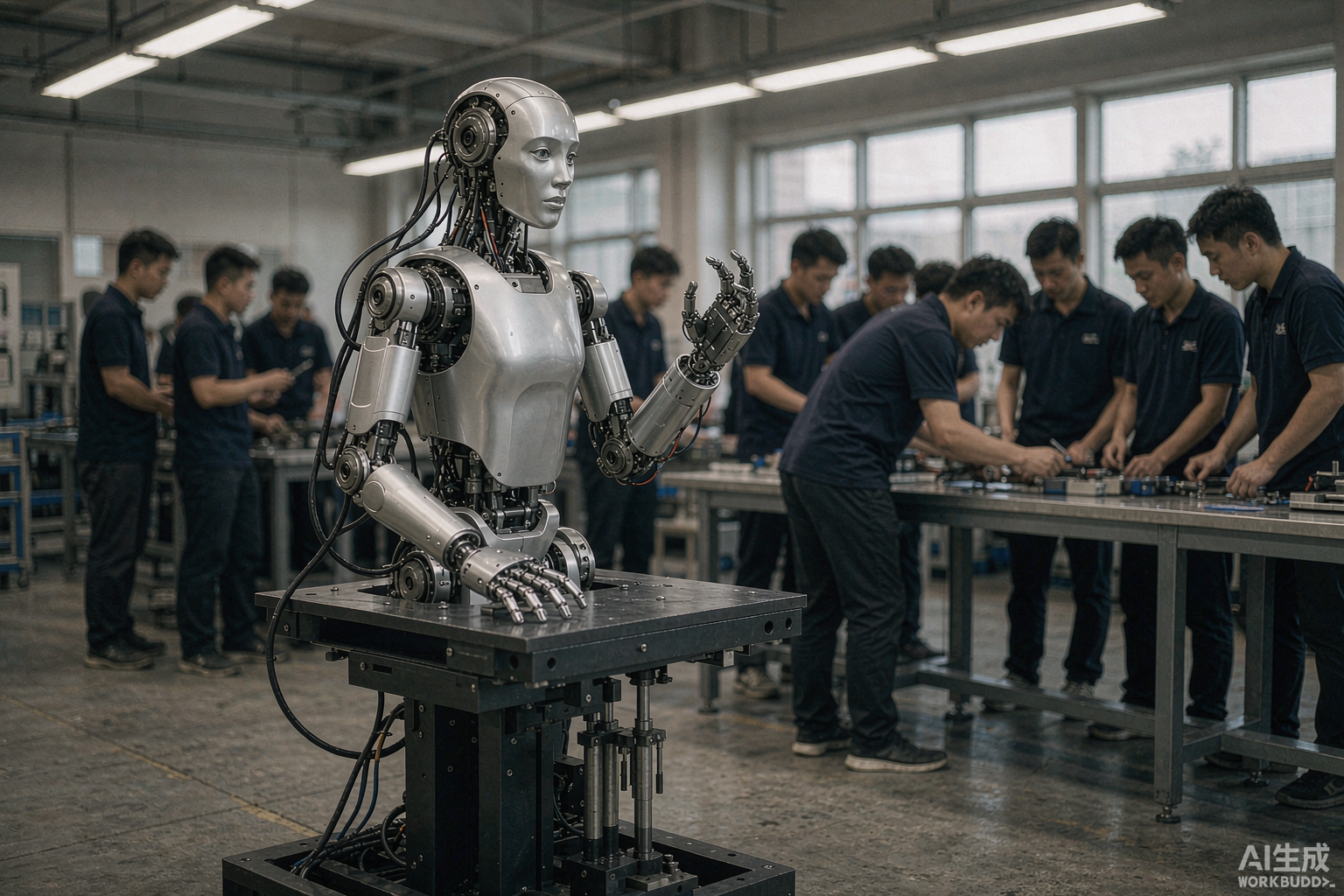
Seven days in Shenzhen: factory floors, a matchmaking day, founders' dinners and a rooftop afterparty. For the founder or distributor who needs proof before committing to a supplier.
What you buy: a seat on the week. €1,790–4,200, all-in.
Join a tour →Send the part, the spec and the volume. We shortlist the factories, get quotes that survive a cost breakdown, verify the line, and stay on the deal until it ships — with or without a tour.
What you buy: sourcing work, or a share of what we save you.
Send a sourcing brief →You build the product, we open Europe: distributors, system integrators, OEM design-ins, and the market-entry work that has to happen before the first order lands.
What we agree: a mandate, a commission, or a joint venture.
Introduce your company →Every supplier site looks the same. Every trading company claims to be a factory. The person answering your email has never stood on the line that will make your order. So the deal stalls — not on price, on certainty. And the fix is not another email. It is a week on the ground, with the right people at the table.
Is this a factory or a rented showroom with a catalogue? You find out on the production floor, in the cycle time and the test stations — never in an email thread.
Price and lead time are quotable in minutes. Whether the batch arriving in Rotterdam matches the golden sample is decided by processes you have to see to believe.
The supplier you meet is one of thousands. The founder who tells you which one is real over a glass of wine — that conversation does not happen on LinkedIn.
Humanoid robot makers, embodied-AI labs and the ODM lines behind AI hardware — pick the track that matches your business. Both run on the same seven-day skeleton; the difference is which factory floors we point it at. Everyone shares the evenings and the matchmaking day.
For integrators, distributors and OEMs building around robots
Who you meet: overseas sales directors, procurement leads and the engineers behind the spec sheet.
For founders, hardware brands and ODM buyers shipping AI products
Who you meet: ODM product managers, solution-house FAEs and NPI engineers.
Switch tracks to see how days two and three differ. Everything else — the dinners, the roundtable, the afterparty — is shared.
Land at Hong Kong or Bao’an. Private transfer to the 5-star hotel in Nanshan.
Briefing: the chain in 90 minutes. Who makes what, where the margin sits, which certifications gate a European order. Bring your brief — we adjust the week around it.
Welcome dinner — hosted, with two or three local supply-chain founders at the table. No pitching. The useful side conversations start here.
The briefing is the one session you cannot make up later. Arrive on the morning flight if you can.
Showroom — 20+ companies under one roof, from full humanoids to the joints inside them. The map for the rest of the week.
OEM deep dive — one full humanoid assembler: line walk-through, test stations, cycle time. Not a slide deck.
Second visit — a different layer of the chain, chosen by your brief.
Group debrief. The shortlist starts here, not on Friday.
Visits are confirmed per group and subject to factory scheduling.
Components morning — actuators and harmonic drives, tactile sensors, lidar and depth cameras.
BOM teardown — a working session: what a mid-range build actually costs, line by line, and where the savings really are.
Closed roundtable — eight to ten seats, Chinese founders and investors across the table, off the record. What Chinese hardware founders actually think about the European market.
Chatham House rule. No notes leave the room unless the speaker agrees.
Optional market hour — two guided hours at the SEG electronics market for parts that exist in no catalogue. Most guests skip it and take a second factory visit instead.
From drawing to sample — PCB prototyping, pick-and-place, 3D-printed enclosures: the shortest path from an idea to a working unit.
BOM clinic — we sit down with your part list and prepare it for tomorrow's matchmaking: specs, volumes, tolerances, the questions suppliers will ask.
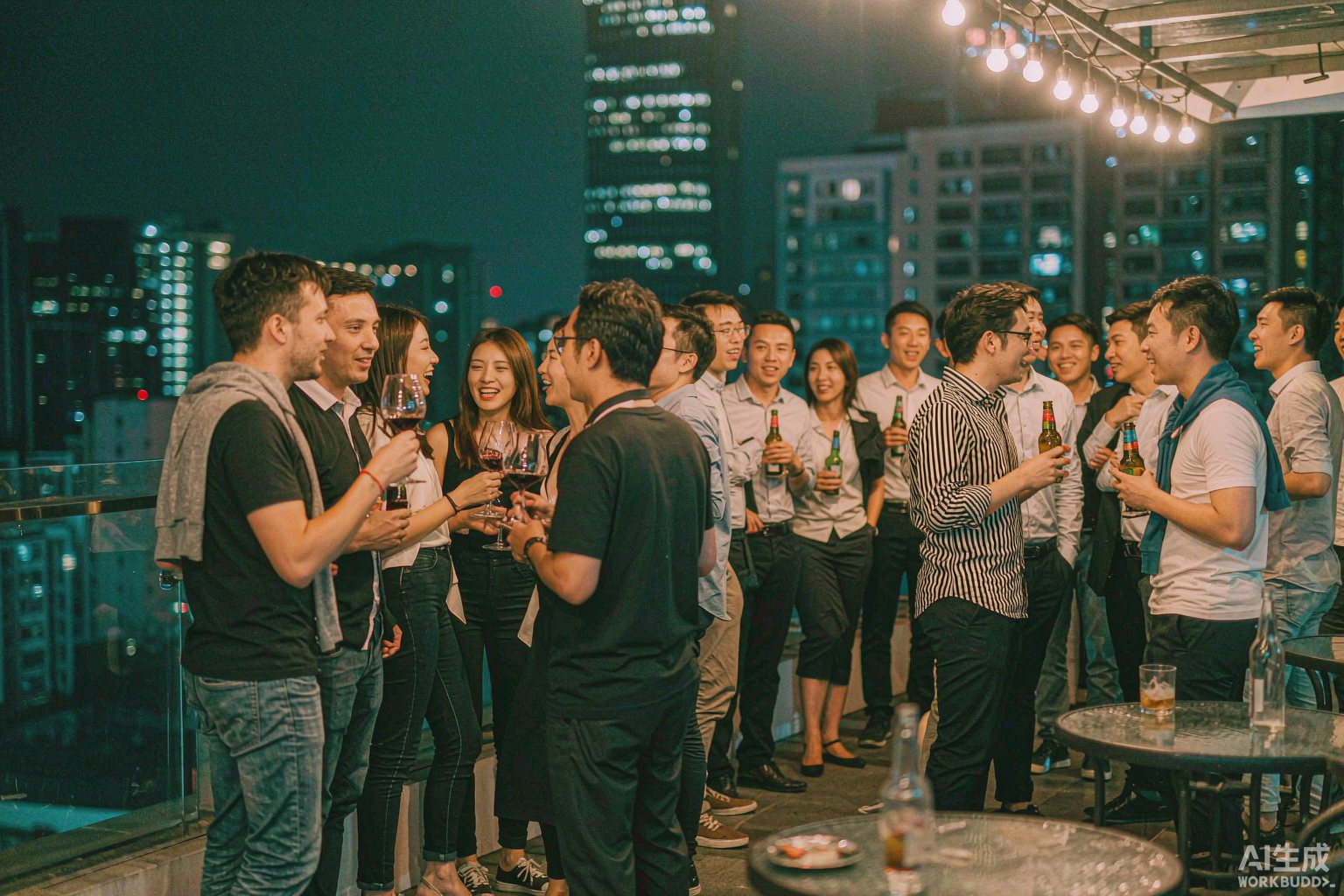
The afterparty — rooftop, 30–35 guests: Chinese founders, supply-chain owners, investors. Three eight-minute lightning talks, then the night does its own matchmaking.
Half the value of the week happens after 8 p.m.
Matchmaking hall — 8–12 suppliers matched to your written brief. 25-minute rotations, an interpreter at every table, a capability sheet per supplier.
Working lunch — pricing, MOQ, lead times, payment terms. The unglamorous half of the deal, same day as the handshake.
One-to-one negotiations — unstructured time with the three or four suppliers you want to keep. NDA, sample request, agency terms.
Hosted dinner — with the suppliers you chose to continue with. Deliberately small.
Follow-up clinic — your notes become a shortlist with named next actions, owners and dates. Book second visits or audits before you fly.
The city, off the clock — DJI flagship, Shenzhen Bay, or Qianhai, weather and energy permitting. Optional. Most people come.
Farewell dinner — harbour view, everyone at one table, the week's arguments settled.
Morning free — last-minute sample pickups or shopping in the mall downstairs. Private transfer to the airport.
Most groups book their next technical visit before leaving Shenzhen. It is cheaper than a second flight.
The visits give you proof. The evenings give you the network that turns proof into a deal. Four of the six nights are programmed — none of them are galas, all of them are small.
Hosted · with 2–3 supply-chain founders
Seafood or private kitchen, one long table. No agenda beyond getting comfortable with the people you'll spend a week with — and two locals who will answer the questions you were too polite to email.
8–10 seats · Chatham House rule
Chinese hardware founders and one or two investors, across the table, off the record. Margin reality, the European customer, what "exclusive distribution" is actually worth here. The session people write home about.
Founders · supply-chain owners · investors
Three eight-minute lightning talks — European and Chinese founders alternating — then open floor with drinks until late. The guest list is curated by us; the conversations are not.
Small · deliberately
Friday dinner sits you with the suppliers you chose to continue with. Saturday's farewell is one table, harbour view, everyone together — the week's open questions argued to a close.
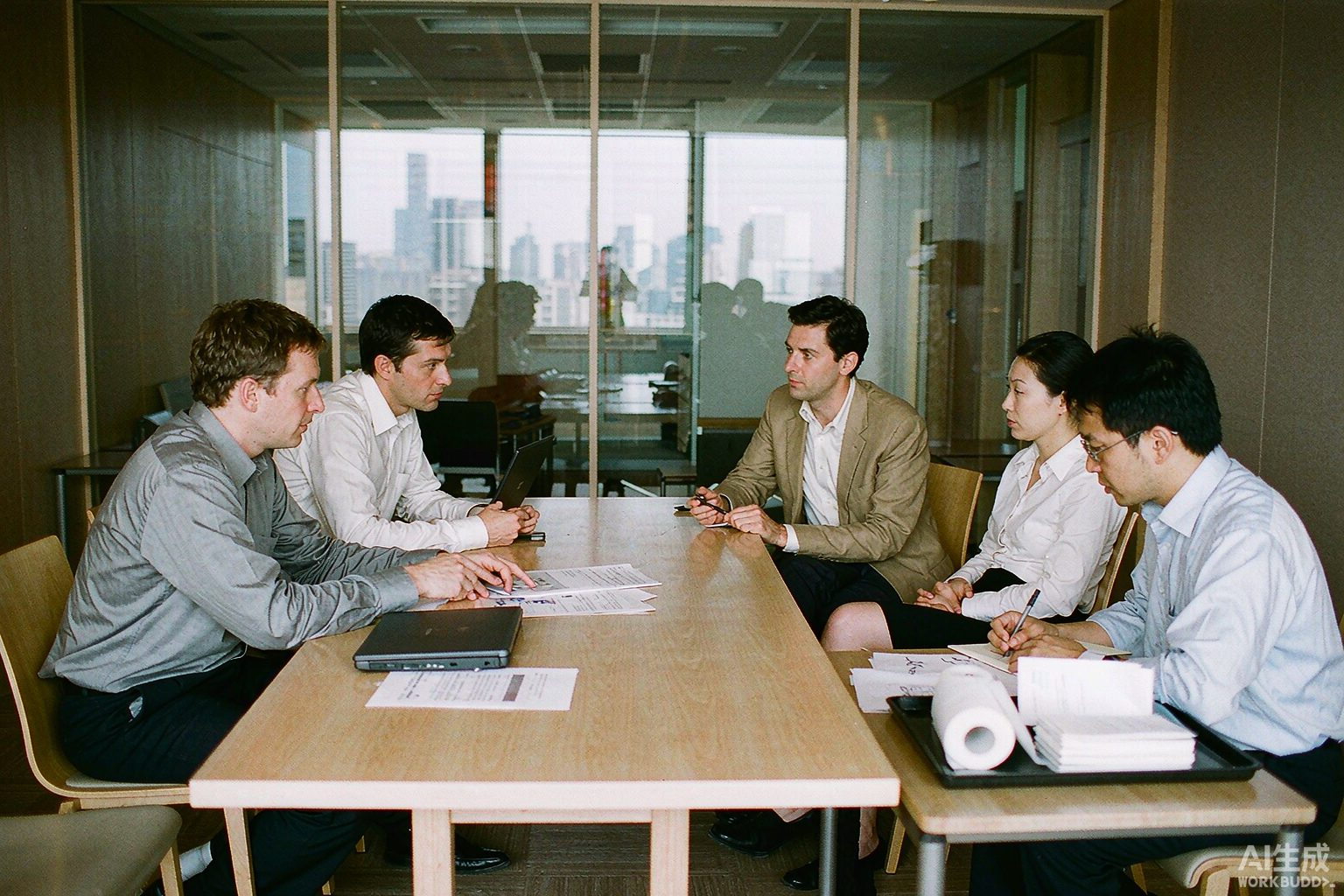
Two weeks before departure you send us a written brief: categories, target volumes, certification requirements, budget range. We use it to select the suppliers, brief them on who you are, and drop anyone who cannot meet your MOQ.
You arrive at a table where nobody is guessing. Revised quotes land within 48 hours of the session, with the assumptions printed on the page.
Three to five suppliers you have walked through yourself — with the ones we would avoid marked.
Pricing at EU-relevant MOQ, in writing, with the assumptions printed on the page.
CE status, test reports, and an honest list of what is not yet covered.
Sample or tooling plan agreed on the day, not promised in a follow-up email.
Twenty-plus Chinese founders, owners and investors you have actually met — with a group channel that outlives the week.
The week is the beginning of the work, not the product. If you want a permanent set of eyes in Shenzhen, these are the three ways founders keep us — all optional, all priced openly.
Ongoing quote verification, factory audits, pre-shipment inspection, and quality-claim follow-up. A commission you pay — never the factory.
Monthly supplier screening, price checks against current market, sample follow-ups and on-site visits when something needs eyes. Cancel any month.
Not ready for a retainer? Book a single factory audit or accompanied visit — €600–1,200 depending on scope and distance. Open to non-participants too.
Where we do not take money: no Chinese supplier pays to be on this itinerary, and no supplier pays us commission on what you buy from them. That rule is the product. Channel-matching work we do for Chinese manufacturers is contracted separately and never mixed with a founder's engagement.
Two ways to come. The Signature Week is what this page describes; the Core Programme is its working skeleton without the programmed evenings — for the buyer who just wants the quotes.
The full week: factories, matchmaking — plus every dinner, the roundtable and the afterparty.
Early-bird €3,700 for bookings confirmed 60 days out. Second seat from the same company €3,900.
The working skeleton: valley, components, matchmaking — no programmed evenings beyond one hosted dinner.
Upgrade to Signature any time before departure, subject to seats.
| Six nights, 5-star in Nanshan, single occupancy | ≈ €1,150 |
| Private car and driver, seven days | ≈ €850 |
| Engineer-grade interpreter, seven days | ≈ €1,500 |
| Three dinners, roundtable and a curated afterparty | ≈ €700 |
| 8–12 pre-briefed suppliers matched to your BOM | 3–6 months of cold email |
| Someone who tells you the real counter price | tourist tax, alone |
| Alone | €5,500+ and a quarter of a year |
| The Signature Week | €4,200 and seven days |
Nanshan's robotics belt holds more than 200 supply-chain companies and 25+ humanoid manufacturers — from full-robot OEMs to the labs building the next pair of hands. Most of what you came to see is a fifteen-minute drive. Which is why one week is enough, and why we spend the extra days on people instead of more driving.
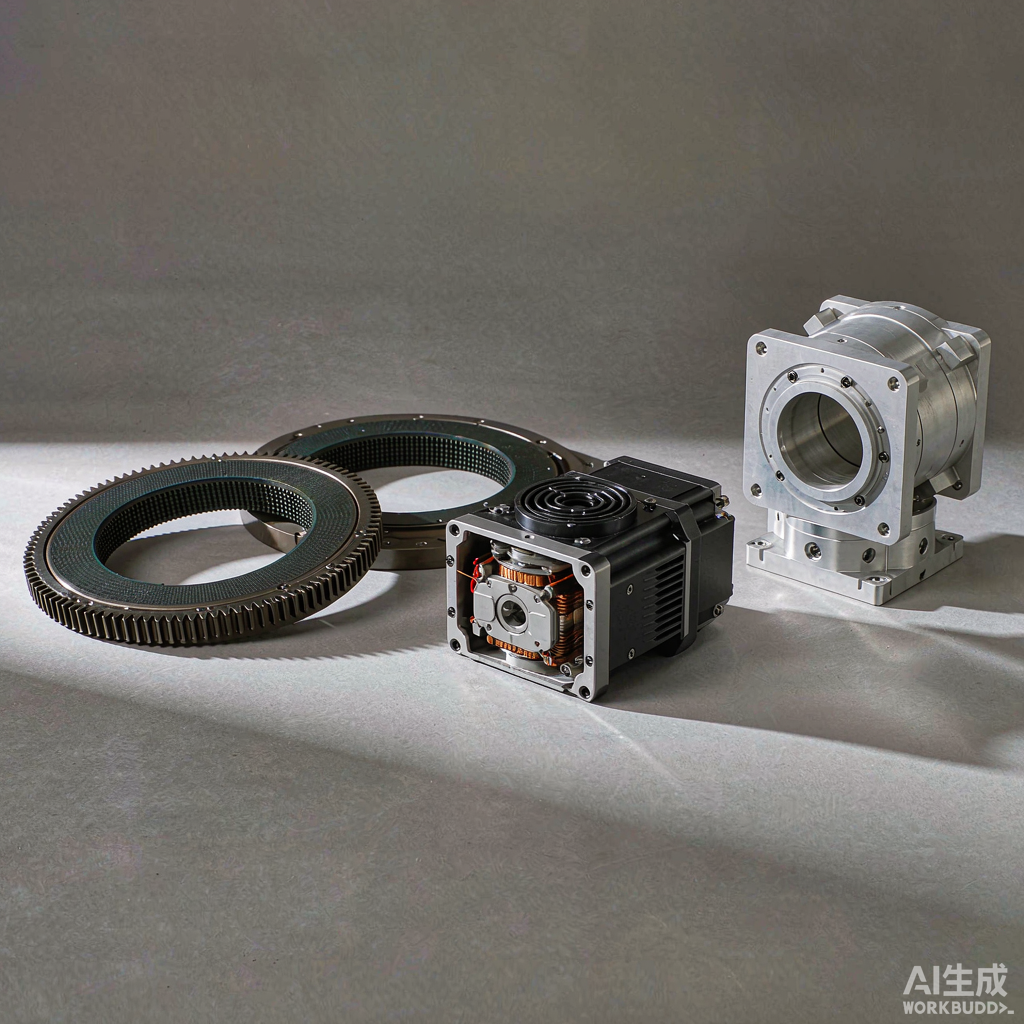
One question tells us whether this week is worth your flight: which Chinese brands or components do you buy today? If you can name them, you are our buyer. If you cannot, the Core Programme is probably the better first step.
Signature Week €4,200 per person, 5-star single occupancy, excluding international flights. Early-bird €3,700 (60 days out). Second seat from the same company €3,900. Core Programme €1,790. Private groups of 4–8 on request, quoted per brief.
Nationals of 35 European countries currently enter China visa-free for up to 30 days for business and meetings. Most of these waivers run to 31 December 2026 and have been repeatedly extended; we confirm status for your passport at booking and issue an invitation letter if you need one. Czech, Lithuanian and Ukrainian passports are not on the unilateral list — we route those travellers through the 240-hour transit waiver or a business visa.
Six to eight founders. Small on purpose — the dinners and the roundtable do not work at twelve. We never run a matchmaking session with more than twelve suppliers in the room.
Monthly from March to June and September to November. Dates are set around the Canton Fair weeks, when hotels and factories are both unusable.
English throughout. German, Italian, Polish and Czech interpretation on request, at cost.
30% to hold a seat, balance 14 days before departure. Full refund up to 21 days before; after that we transfer the seat to a later group.
Five-star in Nanshan or Houhai, twenty minutes from the valley — a desk, reliable internet and a gym. You will be working in the evenings, sometimes late.
Not a travel agency, and not paid by the factories. No Chinese supplier pays to be on this itinerary — which is why we can tell you which one to avoid.
“I have spent eleven years selling into these factories and back out of them. I know the purchasing managers by name, I know which lines are actually theirs and which are a rented showroom, and I know where a quotation has been padded. The dinners and the afterparty exist because the useful truth gets told after the second drink.”
Livra Li · Founder · eleven years in export · industrial sensing and consumer-electronics supply chains · based in Shenzhen
You will not be handed to a junior account manager. The person who answers your first email is the person who walks you onto every factory floor — and the specialists around her are Shenzhen people you will meet in person, not names on a subcontract.
Shenzhen-based · 11 years in export · deep inside China's sensor and consumer-electronics supply chains
Eleven years on the export side of Chinese manufacturing — industrial sensors, consumer electronics, and the supply chains behind both. Livra has quoted, negotiated and shipped through hundreds of factories: she knows which ones own their lines and which rent a showroom, which engineers answer a technical question honestly, and where the real cost actually sits in a BOM.
She built this week for the founder on the other side of the table, because for eleven years she has been that founder's supplier. She knows what a European buyer needs before signing: proof instead of a brochure, a price that survives scrutiny, and one person who picks up the phone when a batch goes wrong. She negotiates with suppliers in Mandarin, reports to you in English, and hosts every departure herself.
Oxford-trained in finance · Head of overseas business at a leading Chinese embodied-AI company
Amy has spent her career on exactly the line where this week operates: the line where Chinese technology companies meet European buyers. Trained in finance at Oxford, she spent her early years evaluating Chinese robotics and hardware companies for international investors — reading their books, stress-testing their cost structures, visiting their factories — before moving to the operating side.
Today she runs overseas business for one of China's top embodied-intelligence companies, signing the distribution, channel and partnership agreements that take Chinese robotics into Europe. She has sat on both sides of the table: she knows what a European distributor needs to see before committing, and she knows exactly what a Chinese manufacturer's head office can — and cannot — actually deliver behind a sales pitch.
Matched to your BOM, not a fixed crew
Behind the week sits a bench of Shenzhen people Livra has worked with for years: a technical interpreter with real factory-floor vocabulary, driver-guides who know the Nanshan industrial belt factory by factory, a documentary photographer covering two days of the week, and certification and logistics consultants brought in when your brief calls for them.
Nobody on this list is generic tourist staff. You will meet every one of them — and you will know their names before you land.
Each door has its own form, because the questions are different: a tour needs dates, sourcing needs a spec, a partnership needs a product line. Pick one — we reply within two working days, and if we cannot add value we say so in a single email.